
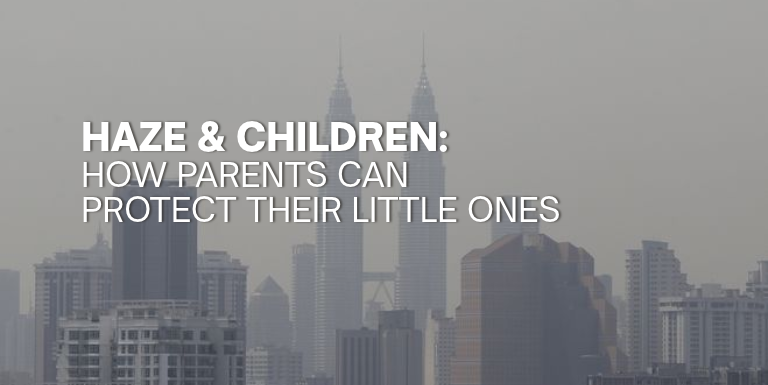
Haze & Children: How Parents Can Protect Their Little Ones
When the sky turns grey and the smell of smoke fills the air, most parents know that haze season has arrived. But haze is more than just an inconvenience. For babies and children, prolonged exposure to polluted air can irritate the airways, trigger existing respiratory conditions and cause discomfort. Children are particularly vulnerable because their lungs are still developing and they tend to breathe faster and spend more time being physically active. So, what can parents do when air quality worsens? In this article, Dr Rakhee Yadav, Consultant Paediatrician at KPJ Damansara Specialist Hospital, shares practical guidance on protecting children during haze episodes and reducing unnecessary exposure to polluted air. Children aren't simply "small adults." Their bodies are still growing, including their lungs and respiratory systems. Children also breathe faster than adults, which means they may inhale a relatively larger amount of pollutants for their body size. On top of that, children tend to be more physically active outdoors. Running, cycling and playing can increase their breathing rate and the amount of polluted air they inhale. During periods of poor air quality, these factors can make children more susceptible to the effects of haze. Haze can irritate the airways and trigger inflammation. While all children can be affected by poor air quality, some may be more vulnerable to respiratory symptoms. Parents should take extra care if their child: Has asthma or recurrent wheezing Has a chronic lung condition Has congenital heart disease Has allergic rhinitis Is a baby or very young child For these children, it is especially important to reduce outdoor exposure and physical activity when haze levels worsen. One practical step parents can take during haze season is to check the Air Pollutant Index (API) to understand the quality of the air around them. However, the API should be treated as a guide rather than a number to obsess over. Parents can use it to help decide whether outdoor activities are appropriate for their child and how much exposure should be reduced. This is particularly important for children who are more vulnerable to the effects of air pollution. When air quality deteriorates, the goal isn't to panic. Instead, parents can focus on reducing unnecessary exposure. Here are some practical steps: Consider reducing activities such as running, cycling and outdoor sports when the air quality is poor. Physical activity increases breathing, which can lead children to inhale more polluted air. If haze levels are high, try to minimise the amount of time your child spends outdoors, particularly for non-essential activities. Babies and very young children may be more vulnerable because their respiratory systems are still developing. Parents should be particularly mindful of their outdoor exposure during haze episodes. Children with asthma, recurrent wheezing or other respiratory conditions may be more sensitive to polluted air. Parents should follow their child's existing medical plan and seek medical advice if they notice worsening respiratory symptoms. Haze can understandably make parents concerned, but the focus should be on practical exposure reduction rather than panic. A simple approach is to: Check the air. Know your child's risk. Reduce unnecessary exposure. During haze episodes, parents should pay attention to changes in their child's health, particularly if they have an existing respiratory or heart condition. If your child develops concerning symptoms or appears significantly unwell, seek medical attention promptly. Children with asthma or recurrent wheezing may also require assessment if their symptoms become more frequent or severe. Haze is more than an inconvenience, particularly for young children and those with underlying health conditions. Parents can take simple steps to reduce unnecessary exposure and protect their child's developing lungs. Check the air. Know your child's risk. Reduce unnecessary exposure. When in doubt, especially if your child develops worsening respiratory symptoms, speak to a healthcare professional for advice. Dr Rakhee Yadav is a Consultant Paediatrician at KPJ Damansara Specialist Hospital. She provides care for infants, children and adolescents, helping parents navigate common childhood health concerns and make informed decisions about their children's wellbeing. Disclaimer: This article is intended for general educational purposes only and does not replace professional medical advice. If your child is seriously unwell or you are concerned about their symptoms, seek medical attention promptly.Why Are Children More Vulnerable to Haze?
Which Children May Need Extra Protection?
Check the Air Pollutant Index (API)
What Should Parents Do When the Haze Gets Worse?
Limit Outdoor Physical Activity
Reduce Prolonged Outdoor Exposure
Take Extra Care With Babies and Young Children
Be More Cautious If Your Child Has a Respiratory Condition
Haze Doesn't Mean You Need to Panic
Use the API as a guide when planning your child's outdoor activities.
Be especially cautious if your child is very young or has asthma, recurrent wheezing or another underlying condition.
When air quality is poor, limit prolonged outdoor activities and strenuous physical activity.When Should Parents Seek Medical Advice?
The Bottom Line
About Dr Rakhee Yadav